You Play to Play the Game
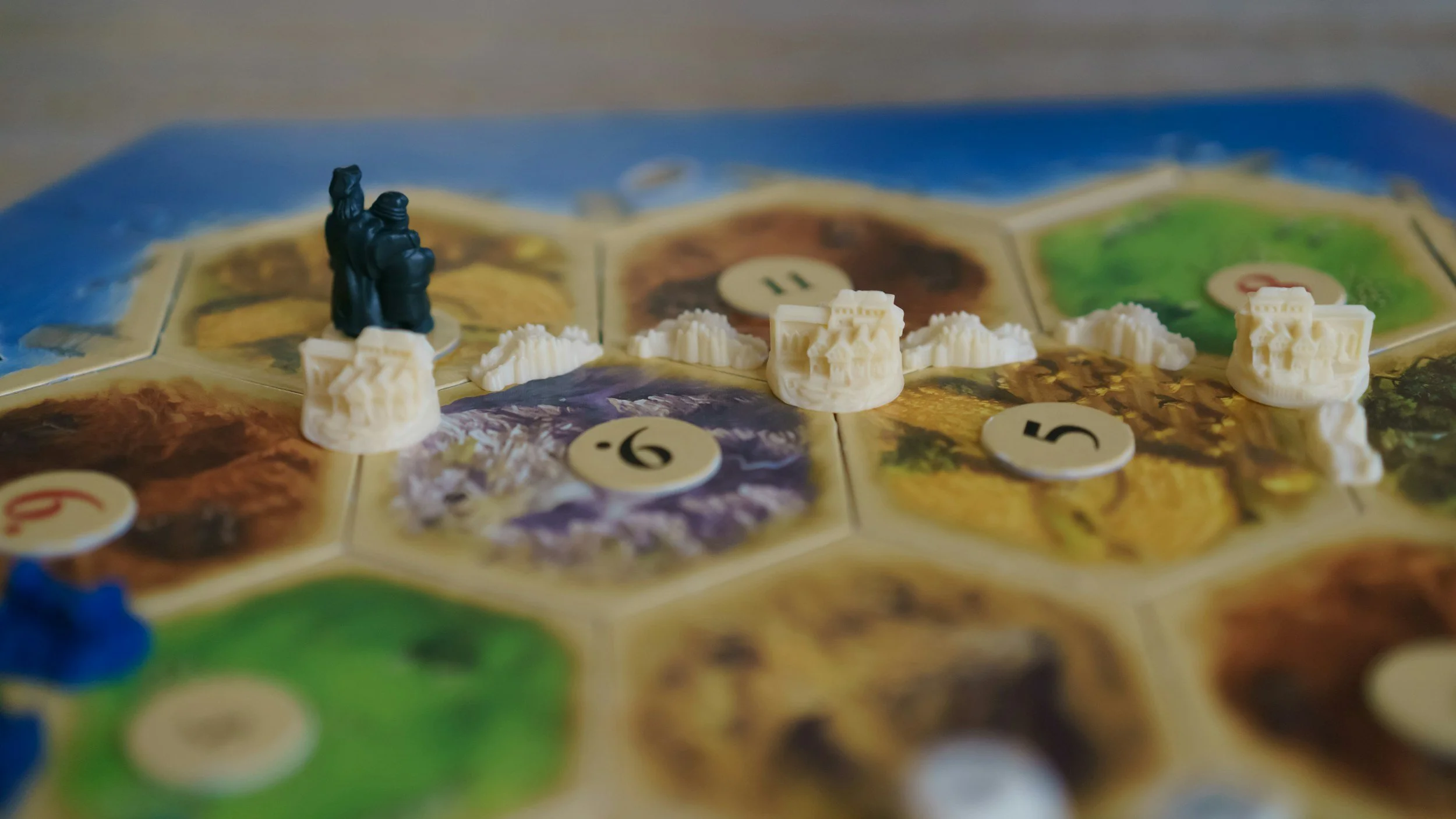
“if we listen to the language of so many of our leaders today, it’s as if they don’t know the game in which they are playing.”
Years ago, Herm Edwards, the then Jets coach, went on a tirade in his post-game press conference, defending his coaching decisions, saying: “You play to win the game! Hello? You play to win the game.”
Well, that depends what kind of game you are playing.
Finite and Infinite Games
In his helpful book, The Infinite Game, Sinek draws on the work of Professor James P. Carse, who posited that there are two kinds of games: finite games and infinite games.
Finite games are like football games—there are “known players. They have fixed rules and there is an agreed-upon objective that, when reached, ends the game.”
“Infinite games, in contrast, are played by known and unknown players. There are no exact agreed upon rules. Though there be conventions or laws that govern how the players conduct themselves, within those broad boundaries, the players operate however they want. And if they choose to break with convention, they can. The manner in which each player chooses to play is entirely up to them. And they can change how they play at any time, for any reason.
Infinite games have infinite time horizons. And because there is no finish line, no practical end to the game, there is no such thing as ‘winning’ an infinite game. In an infinite game, the primary objective is to keep playing, to perpetuate the game.”
The problem, Sinek says, is when we confuse what game it is that we are playing. Most of the time we are applying a finite mindset to the infinite game of life. And when we do that, we get into trouble. Businesses and organizations fail, he says, when they see success only as the accumulation of finite wins, rather than taking the long view of continuing to play the infinite game.
He tells the classic story of Kodak, who invented the technology for digital photography, but then sat on it for a decade because they were making so much money from selling film. He writes about how Blockbuster was making so much money from late fees that they missed whole streaming revolution. They chose the short term bottom line rather than advancing their mission, evolving their business model, continuing to innovate, and spreading the joy of photography, the love of film. It did not work out well for either company.
The Infinite Game of Church
In the late 20th century, the Church has often behaved as it it were playing its own version of a finite game using a “butts and bucks” metric for success—how many “butts” in the pews and “bucks” in the offering plate. That is a finite game that may have worked in the post-World War II church attendance boom, but not today. In the 21st century, the finite game is one the Church is bound to lose. In this environment, you can do great ministry and still see all those traditional measures of “winning” decline.
Instead, Sinek suggests that businesses, non-profits, and churches should be playing an infinite game where the idea is to keep playing—extending the game, advancing your cause—sharing the Gospel faithfully and serving our neighbors. To do that, the church must be willing to adapt, to practice what Sinek calls, an “existential flexibility.”
Existential Flexibility
Sinek defines existential flexility as “the capacity to initiate an extreme disruption to a business model or strategic course in order to more effectively advance a Just Cause.” He says, “When an infinite-minded leader with a clear sense of Cause looks to the future and sees that the path they are on will significantly restrict their ability to advance their Just Cause, they flex.” It is an offensive, not defensive posture towards the future.
In this video, he tells the story of Apple disrupting its own success with the iPod to introduce the iPhone, which they knew would make the iPod largely irrelevant. The iPhone went on to be a transcendent product, one of the most successful consumer products in human history.
Keep Playing
Churches are loathe to disrupt themselves, and yet they have been disrupted in the form the decline in membership, attendance, and giving over the last 30 years, which was accelerated by the COVID pandemic. We have done little to adjust our course. We have kept playing a finite game with diminishing results. We seem to be caught in a paralysis of grief, fear, shame, and guilt.
I’ve heard someone say that these trends are not our fault. This is true. We just happen to be stepping into leadership at the end of the so-called “christian century.”
And yet, COVID showed us how flexible we could be when we believed the Gospel was at stake. Church showed remarkable creativity and ingenuity for the sake of their members and their neighbors.
The Gospel is still at stake. The Gospel is always at stake. Existential flexibility was not just something we needed to practice in order to get through the pandemic. It is what we need to keep practicing to minister and sharing the Gospel.
How can our churches and ministry settings start playing the infinite game? How can we pro-actively evolve, adapt, and change for the sake of the Gospel and ministry to our neighbors?